Whole milk
Allowed — On the allowed list of the leaflet this book follows and of every hospital compared.
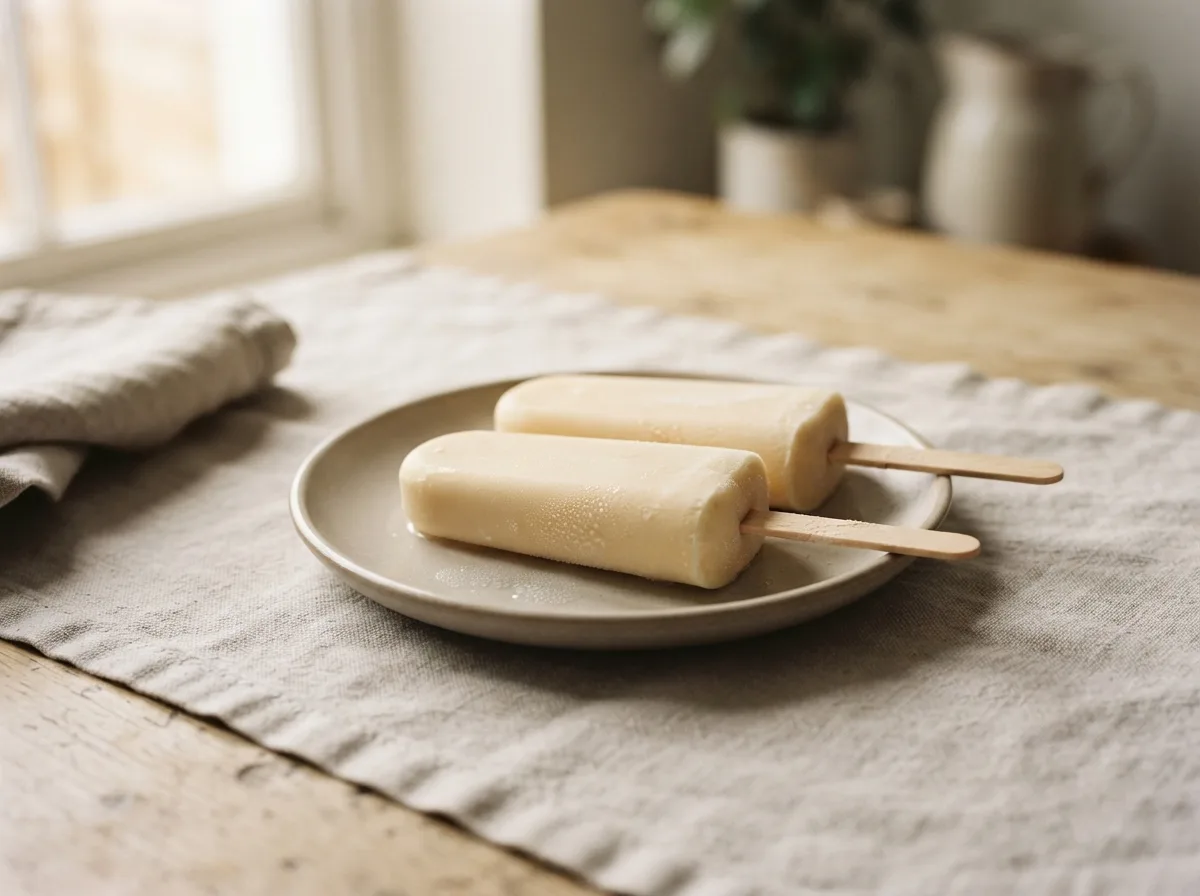
Fibre exists only in plants, so milk contains none. That single fact explains why milk sits in the allowed column of every low-fibre leaflet compared for this book, and why several of them go further and recommend fortifying milk with milk powder to get more energy and protein into a small volume.
This book relies on that. Milk, cream, butter and cheese are what make these recipes rich enough to be worth eating when appetite is poor, and full fat is the default throughout rather than a lapse. See fortifying.
Where a restriction can come from
Lactose, which is a separate question from fibre. The enzyme that digests it is made in the lining of the small bowel, and when that lining is inflamed by pelvic radiotherapy or by treatment, less of it is available. Undigested lactose then draws water into the bowel and makes diarrhoea worse.
So advice written for pelvic radiotherapy or for after a low anterior resection can add a lactose restriction that a general low-fibre sheet does not mention. Both are correct. They are answering different questions.
What to use instead
Lactose-free milk, which is ordinary milk with the enzyme already added and behaves identically in a sauce, a custard or a shake. Every milk-based recipe here works on it without any other change. Hard cheese contains very little lactose and butter almost none, so those usually stay.
Plant milks are a poorer swap, since most carry less protein and some have added fibre. Check the label. See milk and lactose.
Recipes using it
- Banana and honey ice lollies
- Banana and honey shake
- Bangers and mash with onion gravy
- Battered fish with swede and carrot mash
- Vanilla blancmange
- Bread and butter pudding without the fruit
- Cauliflower cheese, florets only
- Cheese and potato bake
- Cheese sauce
- Cheese scones
- Chicken and ham bake in white sauce
- Cottage pie for two with silky mash
- Crème caramel
- The Boulevard Saint-Michel croque monsieur
- Extra-rich hot chocolate
- Fish pie for two
- Fortified milkshake
- Semolina gnocchi alla romana
- Macaroni cheese for one
- Vanilla panna cotta with stewed apple
- Tinned peach and ice cream shake
- Plain scones with jam and cream
- Pouring custard
- Rice pudding with a burnt sugar top
- Roast chicken thighs with gravy and mash for two
- Salmon in a paper parcel with butter sauce
- Semolina with stewed apple
- Gramsci's soft cheesy polenta
- Lemon sole in brown butter with silky mash
- Steamed cod in white sauce
- Sticky toffee-style pudding without the dates
- Strawberry milk jelly
- Steamed syrup sponge for two
- Toad in the hole for two
- Welsh rarebit on crustless white toast
- White sauce, the master recipe