Leek
With care — Allowed by some hospitals and not others, or allowed only prepared a particular way.
In one line: Use the white part only, sliced very finely, and cook it to melting, or sieve it out of a soup. Leek is stringy unless it is cooked this way.
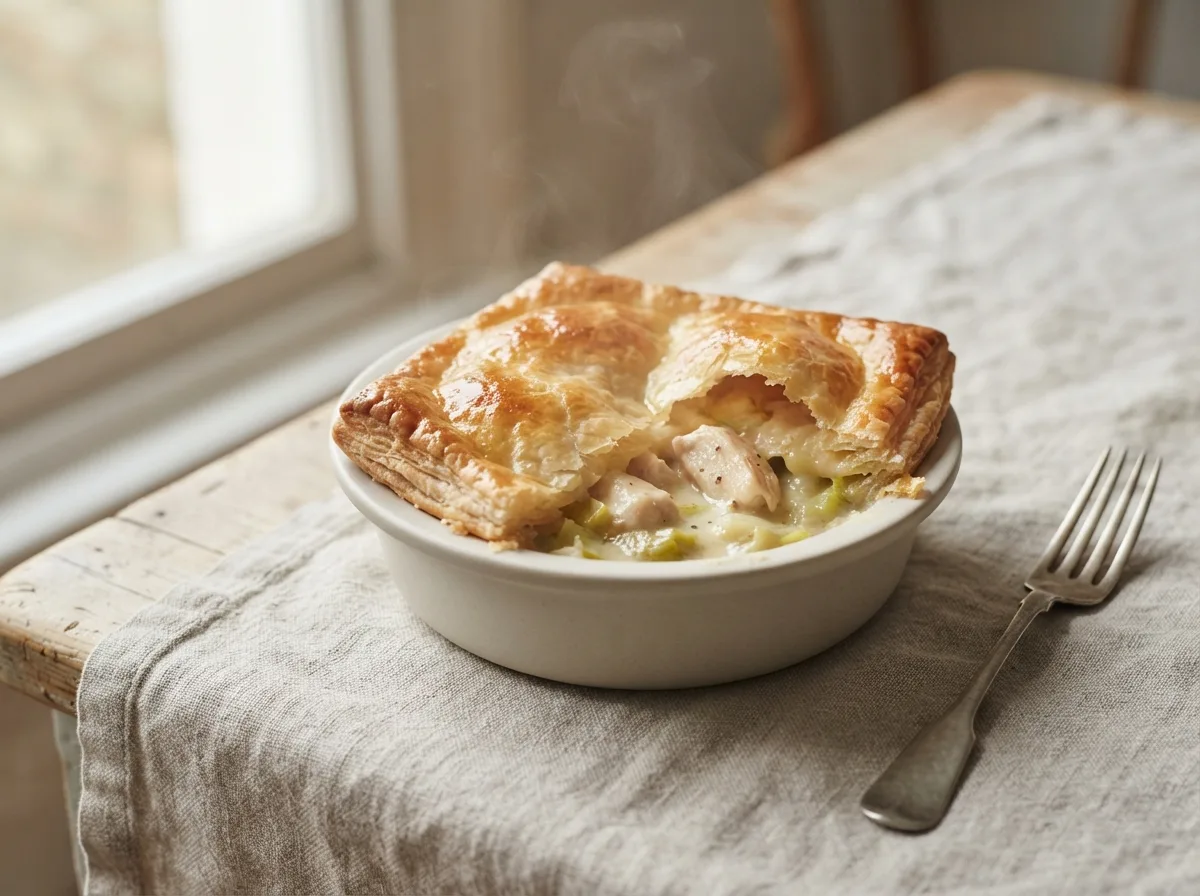
Leek is a bundle of long parallel fibres wrapped in layers, which is exactly the structure this diet is most cautious about. Undercooked, it separates into threads that stay recognisable a long way down the gut. Cooked properly, it collapses into a soft, sweet, buttery heap with nothing left to catch on.
The preparation
White part only. Discard the dark green tops, which are tougher and more fibrous. Split the white lengthways, wash out the grit, and slice it as finely as you can manage before it goes anywhere near the pan. Then sweat it in butter over a low heat for a good fifteen minutes, until a slice smears against the side of the pan under a spoon with no squeak and no resistance. See cooking to melting.
In a soup, that is still not quite enough. Blend it and then push it through a fine sieve, pressing hard, so that any surviving thread stays in the mesh.
Where hospitals differ
Leek is not on the allowed list of the leaflet this book follows. St George's allows it well cooked. This book uses it, always cooked to melting and usually sieved as well, and every recipe containing it says so and offers an alternative.
If you have been told to leave it out
Extra potato and a little more butter will hold a soup together, and a good clear stock will carry the flavour. Garlic cooked soft is allowed by the leaflet this book follows and adds savour where the leek would have been. See alliums for the wider argument.