The chronicle
The people, places and dates in these ten notes are real. The meals and the conversations are not. The digestive complaints are plausible rather than documented, unless a note says otherwise, and no note puts a checkable false fact in a real person's mouth. The notes are written by the book's author, who does not give his name here or anywhere else in it.
The author
He trained in medicine in a city on the Río de la Plata and qualified in 1953, after a year spent measuring other people's allergies. Before that he had gone up the continent on a motorcycle that did not survive the trip, and spent some weeks at a leprosarium on the upper Amazon where the patients cooked better than the doctors. He worked on the allergy ward of a hospital in Mexico City, where the wards smelt of camphor, and paid for his suppers by photographing tourists in the parks. Then came a decade he does not discuss, in which he signed a great many documents and cooked almost nothing. There was an obituary in the autumn of 1967. It was premature, and he has never felt the need to correct it.
Since 1968 he has worked in kitchens: a pot-washer in Milan, a fish cook in Gothenburg, a dishwasher and then a cook in Paris, and spells in places he prefers not to name. He has written restaurant criticism under several borrowed names, and at least two publications still believe they employ different people. He lives in Hackney, buys his fish on Ridley Road and his white bread from a Turkish grocer on Green Lanes, and cooks and writes there now.
He has had asthma since a childhood spent indoors in a town chosen for its dry air, and he keeps an inhaler by the stove. It is the only piece of autobiography he offers openly, and it is where the book's manner comes from. He knows what a mealtime is like when the body is the enemy: the plate that is too much, the smell that turns the stomach, the pleasure of one warm thing that asks nothing of you. He learnt it from the inside long before he learnt it from the literature.
Why these ten
The book is strict, and these ten recipes are no looser than the rest. The ingredients, the method, the watch-points and the lines about where hospitals disagree are exactly as they are on every other page. What the ten have in addition is a note beside the recipe, and a period photograph with nobody recognisable in it.
The notes rest on a single observation, made ten times. The people in them meant to remake the world, and several came closer than most. Every one of them also had a gut, and a gut does not read. It is fragile in a prison cell and fragile in a legation, fragile after a year's march and fragile in a house kept exactly as it was. The author finds this neither funny nor sad but true, and worth saying to a reader who may feel that illness has singled them out. It has not. It has only got round to them.
The dishes were chosen because they are what such people might plausibly have been fed, by cooks who knew better than they did what would stay down. Each note says who told the author the story and roughly when, since his own memory only goes back so far and he has spent the rest of his life in kitchens, where stories of this kind are the ordinary currency.
The ten dishes
- Frida Kahlo's smoked salmon bagel. Coyoacán, 1955
- Trotsky's clear chicken noodle broth. Coyoacán, 1956
- Karl Marx's beetroot and potato soup. Soho, 1852
- Ho Chi Minh's silken tofu and ginger broth. London, 1913
- Gramsci's soft cheesy polenta. Turi, 1932
- Rosa Luxemburg's spinach and potato soup. Wronke, 1917
- Kollontai's steamed white fish with soy butter. Stockholm, 1938
- The Long March egg fried rice. Bao'an, 1936
- Beatrice Webb's chicken and leek pie. London, 1935
- The Boulevard Saint-Michel croque monsieur. Paris, May 1968
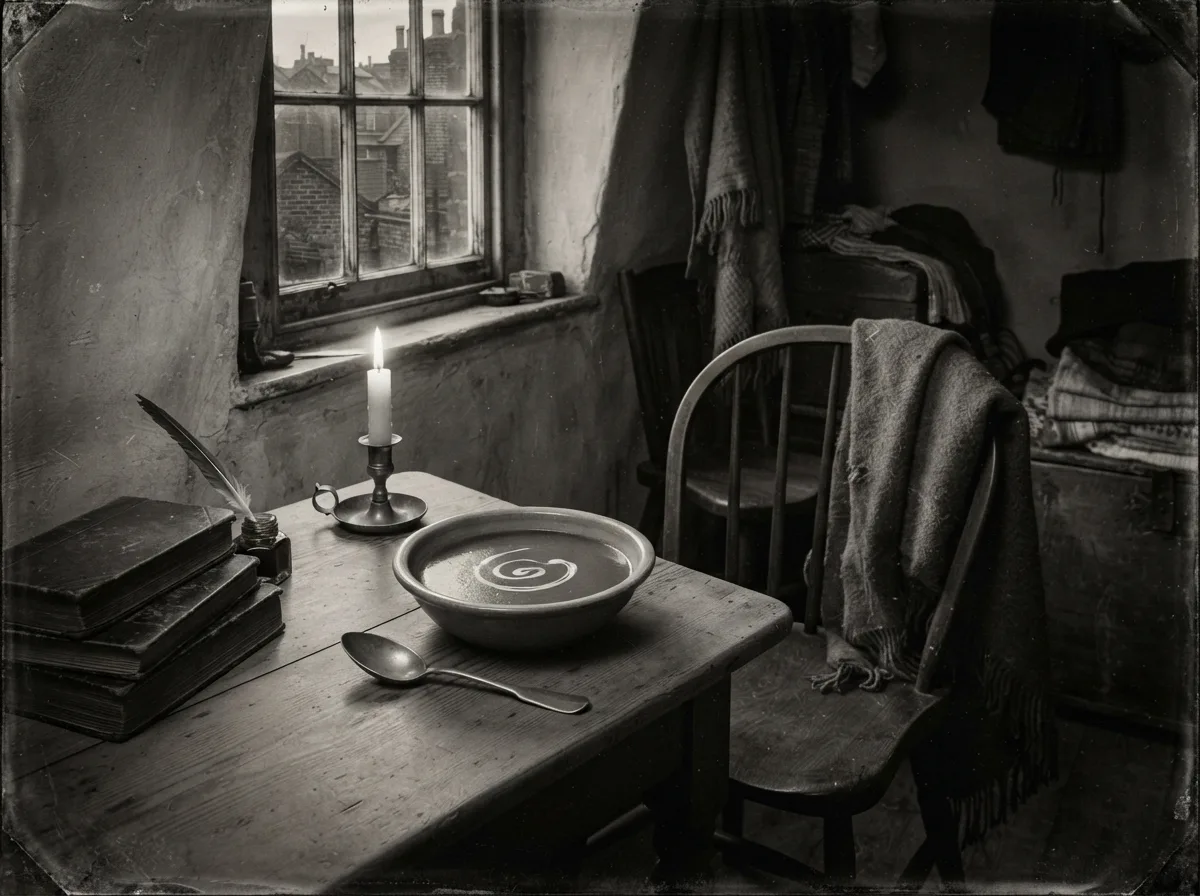 Soho, 1852
Karl Marx's beetroot and potato soup
Karl Marx, cooked by Helene Demuth
A colour no amount of styling could invent
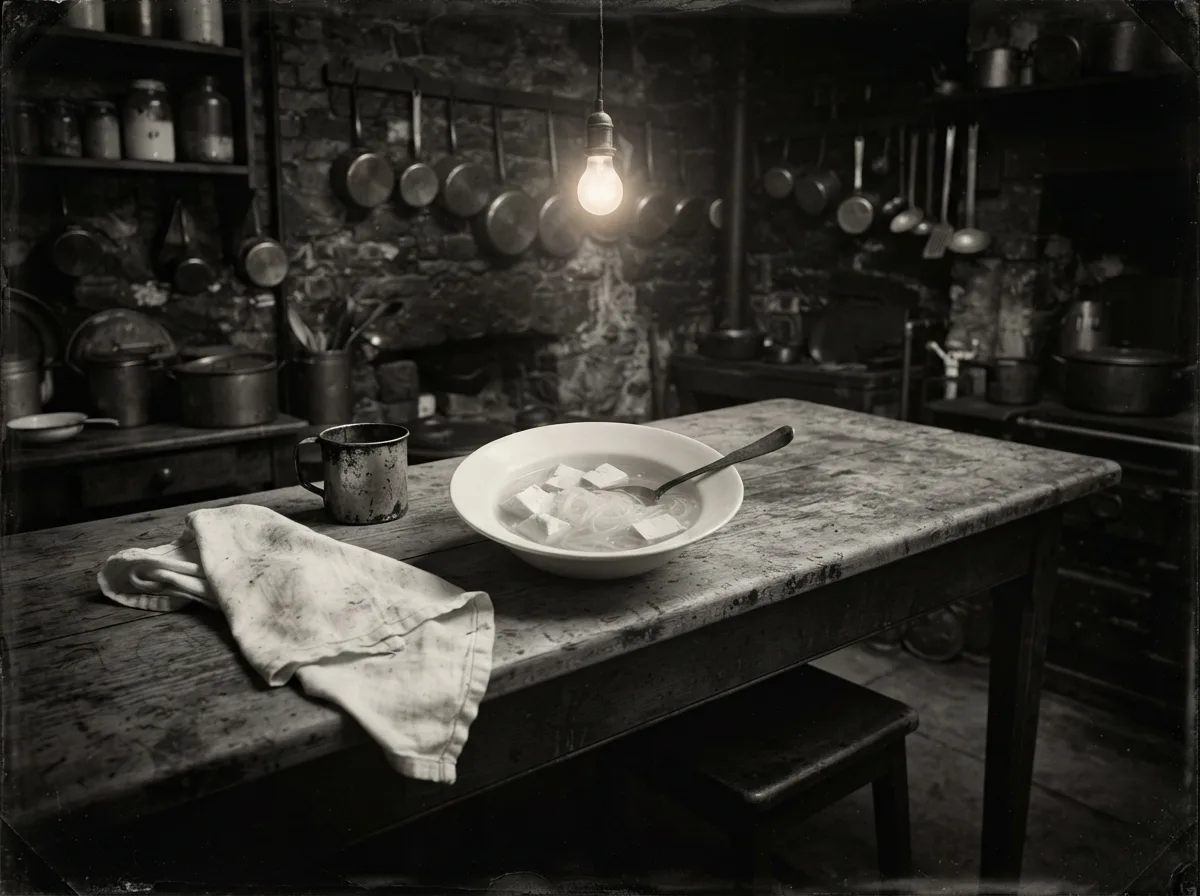 London, 1913
Ho Chi Minh's silken tofu and ginger broth
Ho Chi Minh, then Nguyễn Tất Thành
A light, plant-based bowl for a quiet appetite
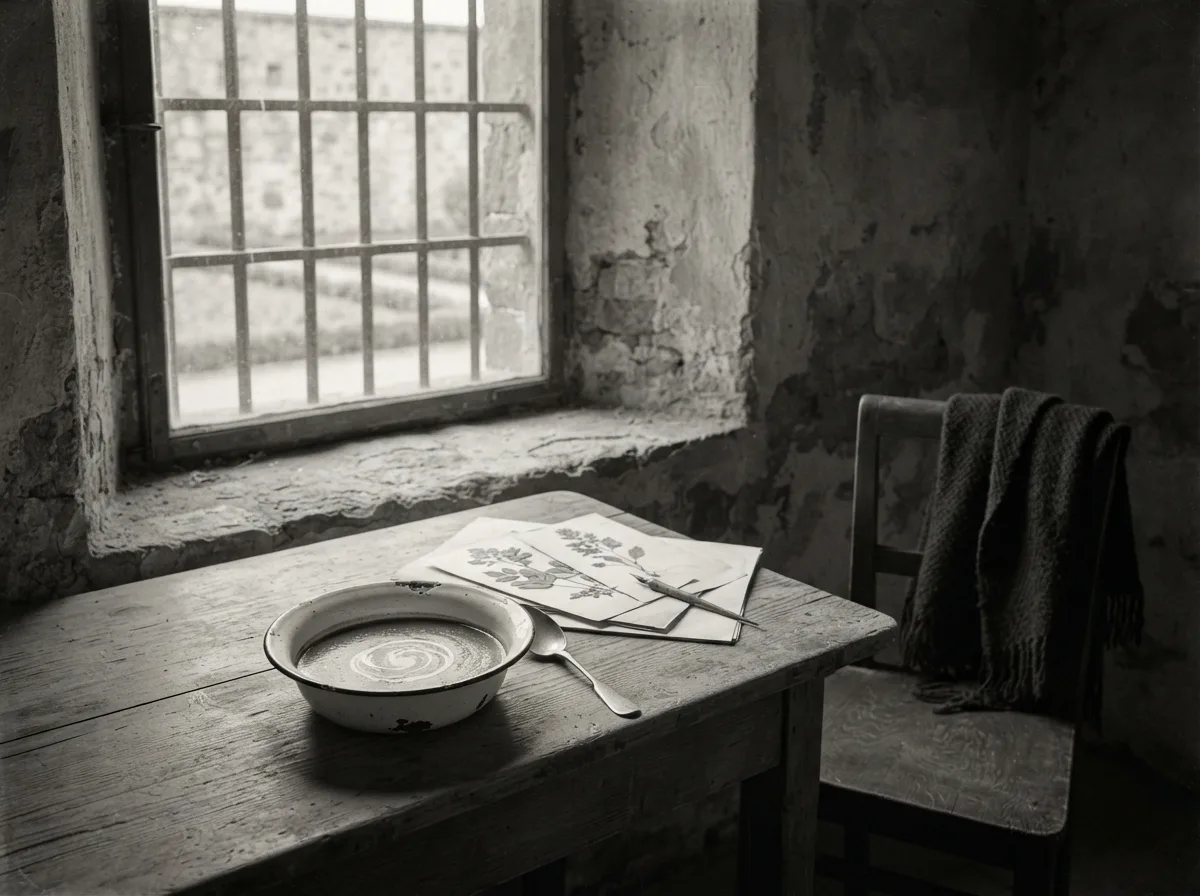 Wronke, 1917
Rosa Luxemburg's spinach and potato soup
Rosa Luxemburg
Blended within the minute, before the green has a chance to fade
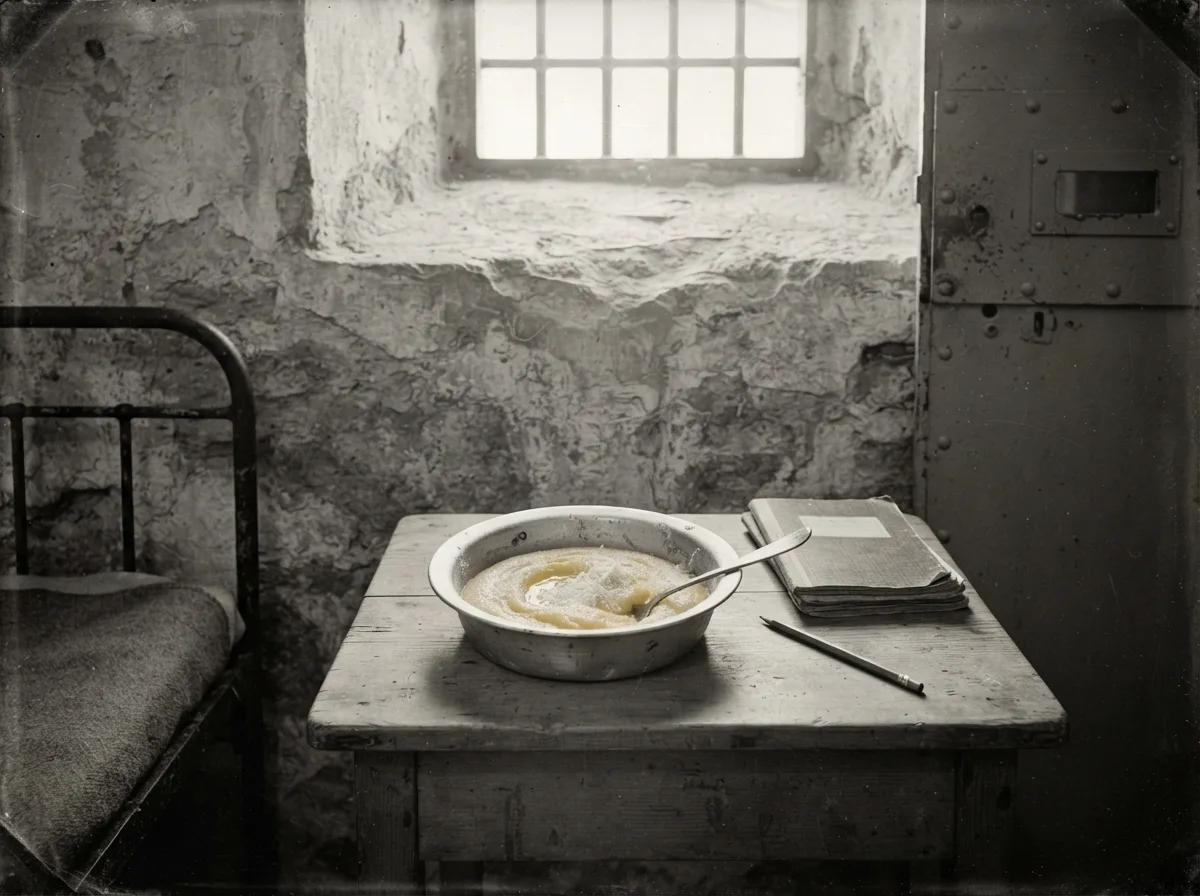 Turi, 1932
Gramsci's soft cheesy polenta
Antonio Gramsci
A spoon dish, not a sliceable one
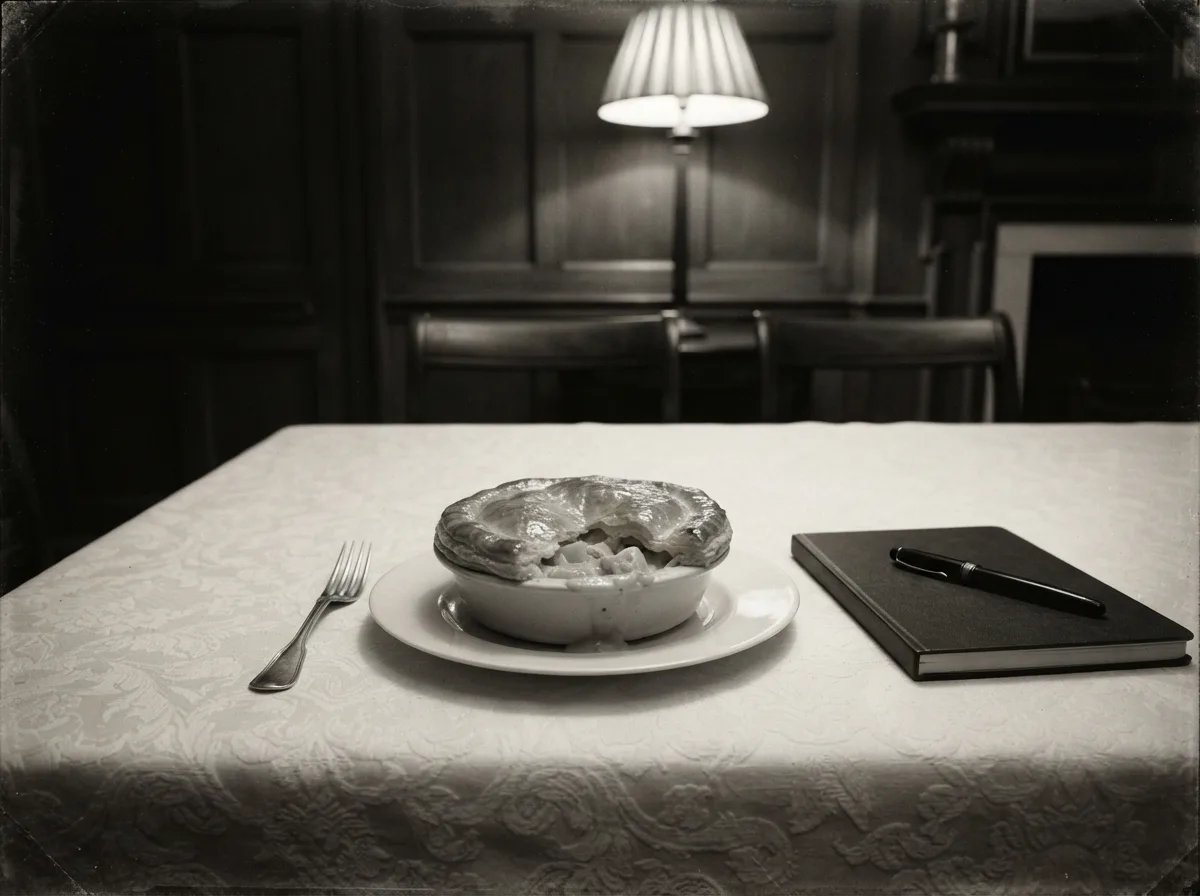 London, 1935
Beatrice Webb's chicken and leek pie
Beatrice Webb, with Shaw at the table
A creamy filling under a lid of golden puff pastry
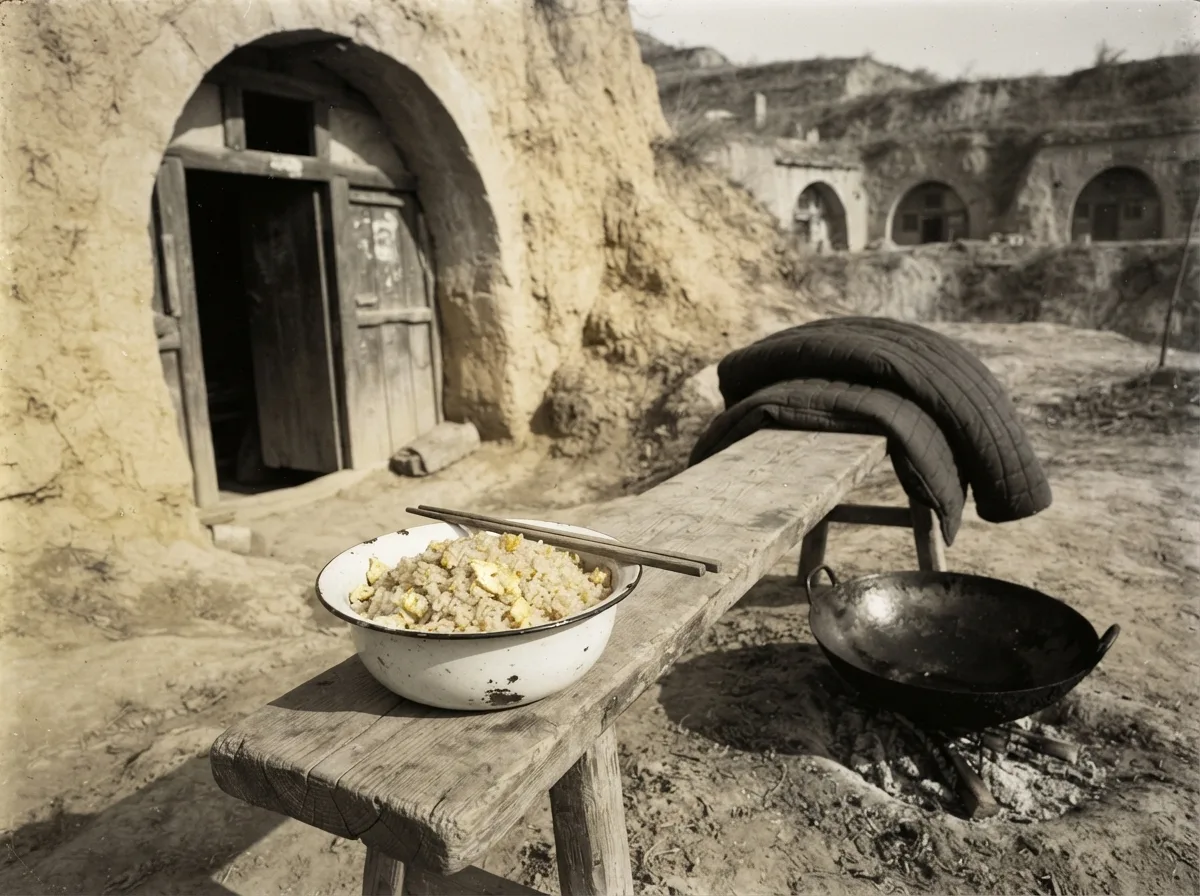 Bao'an, 1936
The Long March egg fried rice
The survivors of the Long March
The way to use up yesterday's rice
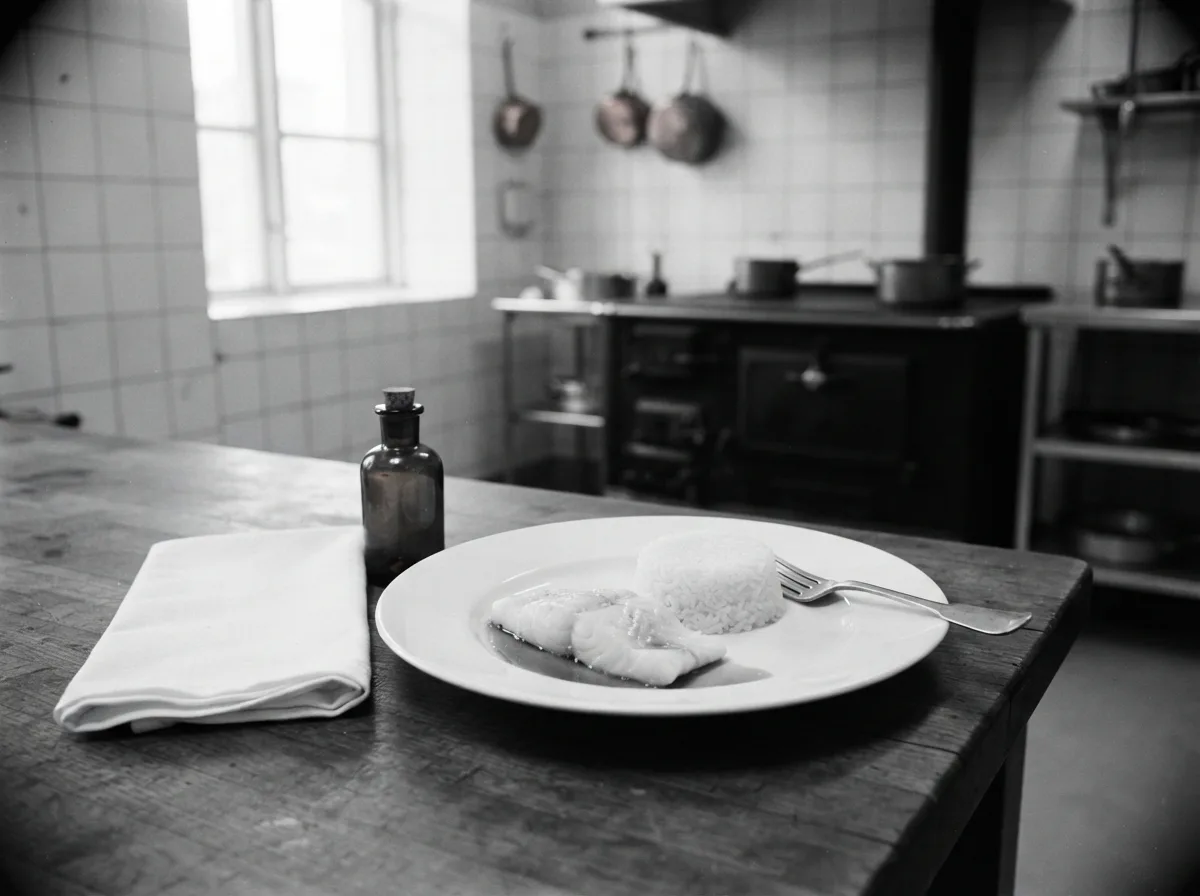 Stockholm, 1938
Kollontai's steamed white fish with soy butter
Alexandra Kollontai
Ten minutes, one plate, barely any washing-up
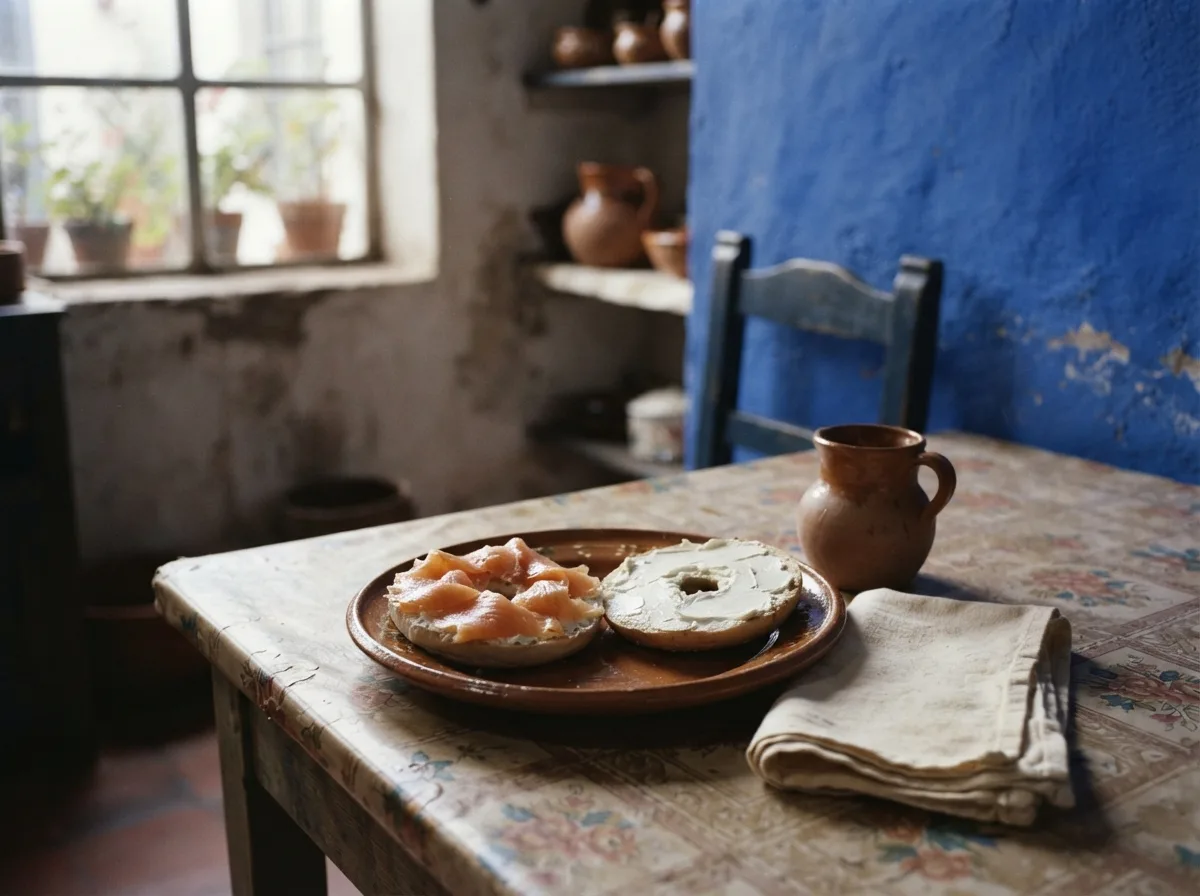 Coyoacán, 1955
Frida Kahlo's smoked salmon bagel
Frida Kahlo
The good-appetite breakfast that still keeps every rule
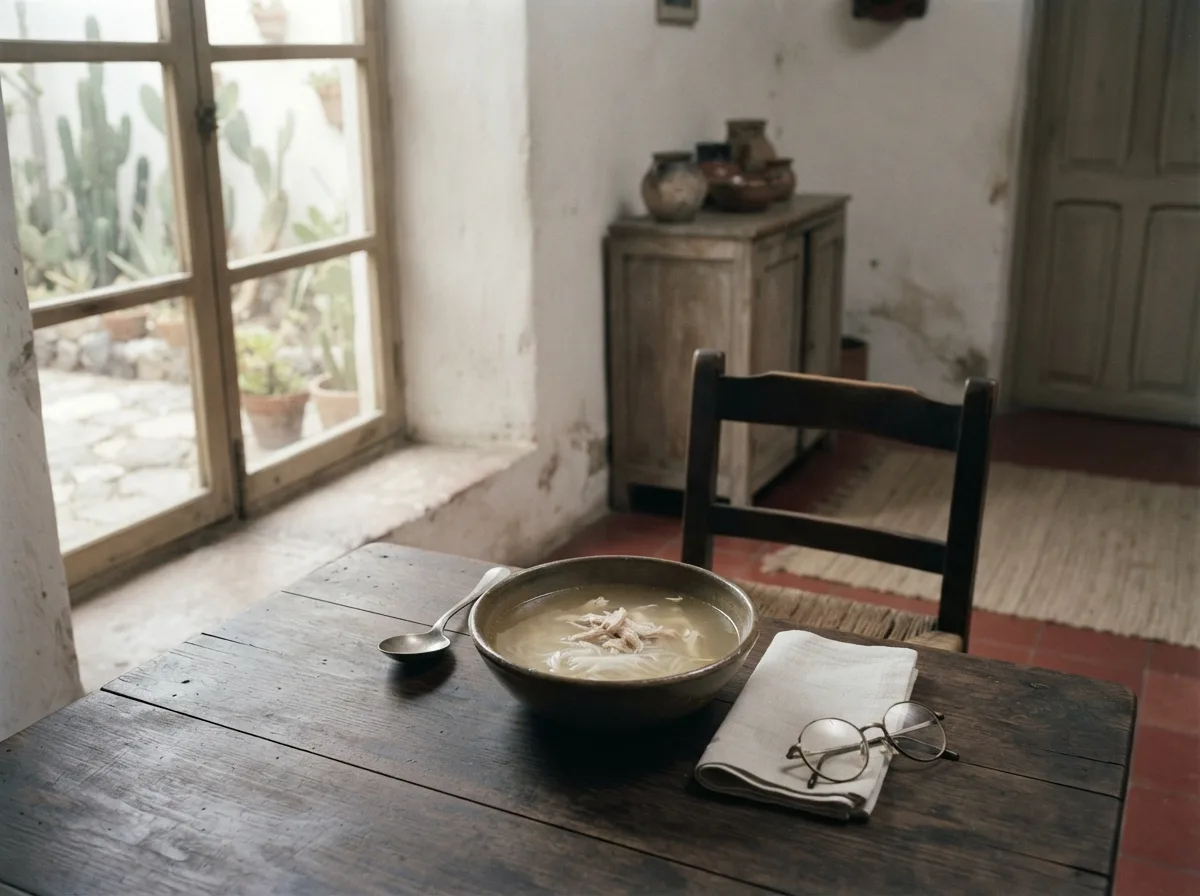 Coyoacán, 1956
Trotsky's clear chicken noodle broth
Leon Trotsky
Ginger and lemongrass for flavour, gone before the bowl is filled
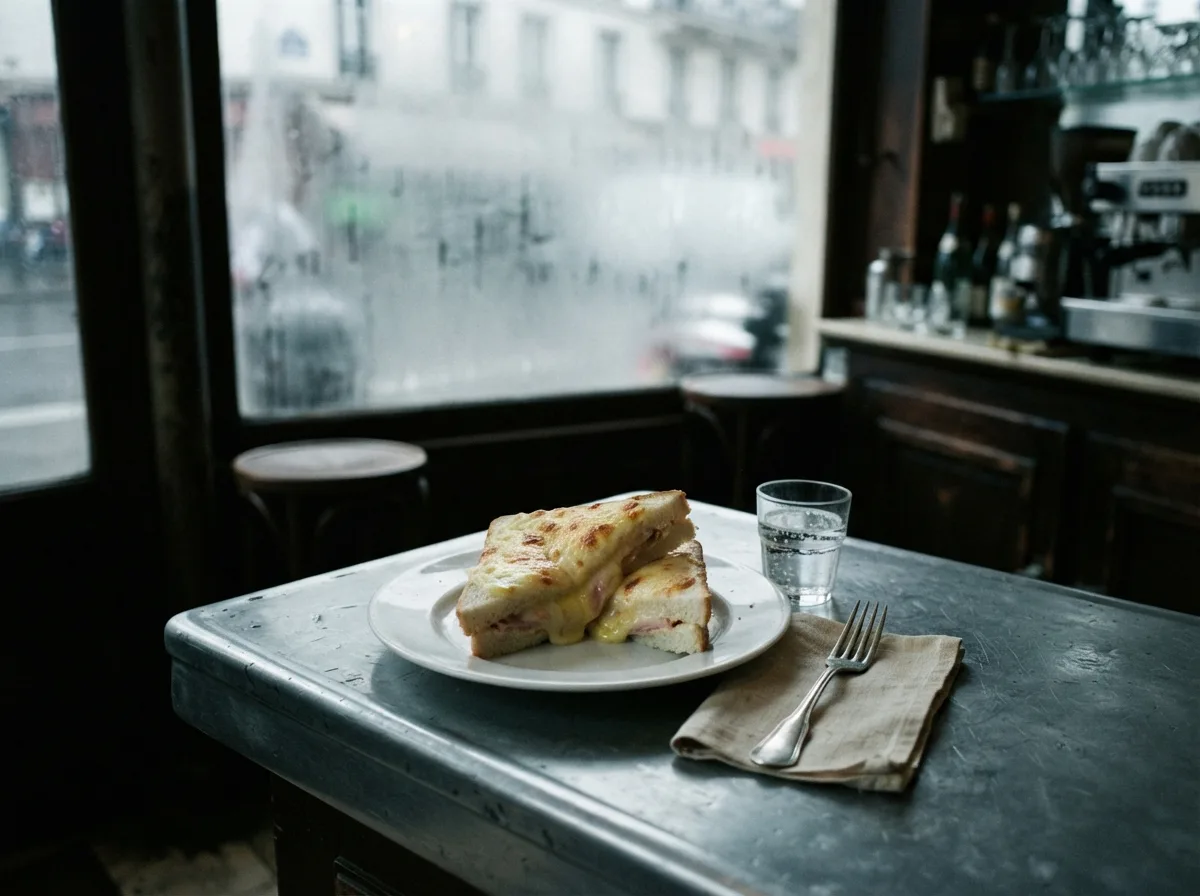 Paris, May 1968
The Boulevard Saint-Michel croque monsieur
Students of the Sorbonne, Sartre at the edge of the frame
Ham and cheese under a soft blanket of béchamel, no crusts to fight